ICYE’s main programme is the long-term exchange of young people, aged 18 to 30, who want to work as volunteers in a wide variety of voluntary work placements with or without qualifications, live in another country with a family or a in a residential project. Opportunities for older volunteers are available in most countries.
Each year ICYE exchanges over 400 long-term volunteers between different countries for periods ranging from six to twelve months.
The ICYE Experience
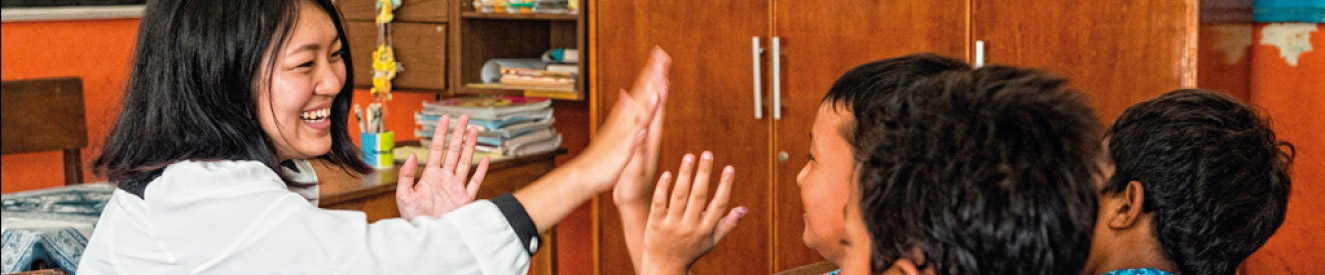
To be a volunteer with ICYE means to integrate in the life and work of the host organisation and wider community. Volunteers are encouraged and supported to get involved in the planning and managing of distinct activities and to take on responsibilities according to their skills and interests, as well as the needs of the project. An important aspect of the voluntary service experience is the volunteer’s active participation in the life of the community in which they live and work.
Voluntary service placements offered by ICYE include social work projects with children and young people at risk, with the elderly, the disabled, health projects, support to human rights organisations, peace associations, ecological projects, work with women’s groups, migrant workers’ support groups, fair-trade shops, and solidarity projects.