post thumbnail

This handbook includes a selection of methods for an inclusive design of preparatory and support seminars for international encounters. These are playful, participatory and group-dynamic methods that are often used in such seminars, for example, simulations, constellation exercises, theatre methods, role plays, movement exercises and joint reflections. In this guide you will find answers to the following questions: What do you need to keep in mind when organising inclusive seminars? How can playful and dynamic methods such as theatre, constellation or movement exercises be adapted in such a way that the whole group can participate actively and equally? This publication was produced as part of a Strategic Partnership Project funded by the Erasmus+ Programme in which ICYE Austria/Grenzenlos participated and co-created the documents. Organising Inclusive Seminars – A methods manual for volunteer work and international meeting (in English, German and Spanish)

post thumbnail

A Step Toward Equality in Global Volunteering

For 75 years, ICYE has been at the forefront of long-term international volunteering, bringing people together from across the globe. But while we’ve witnessed incredible shifts in the world during this time, one thing is clear: the history of colonisation still affects us all. From South America to Africa, and the smallest islands in the Pacific, the legacy of Western colonisation continues to impact societies, economies, and even the way we connect as global citizens.

In the frame of Decolonise IVS, we recognise that this legacy shapes the way young people from the Global North (the Western world) engage in volunteering compared to those from the Global South. There is a noticeable gap—more volunteers from Europe and the U.S. head to the Global South, while fewer volunteers from the Global South travel to the North. This imbalance is a direct result of the historical power dynamics of colonisation. Focused on topics like challenging traditional narratives and power dynamics, we work for diversity, climate justice and equal opportunities.

About the project:

With the Decolonise IVS! project! for the period 2022-2024, CCIVS and its partners have aimed at addressing historical inequalities and promoting an inclusive framework for International Voluntary Service. The decolonial approach guiding the whole project included several dialogue spaces for IVS organisations coming from a variety of backgrounds, to engage in decolonial discussions and practice. During the project, critically involved organisations analysed their structures, tools and procedures with the aim to dismantle colonial legacies and ensure fair and equitable participation for all volunteers and communities and developed a new set of guidelines.

Aims and objectives:

  • Fostering Fair Decolonial Partnerships
    The revised guidelines aim to foster fair decolonial partnerships in IVS projects.
  • Centering Local Communities
    These partnerships should center around local communities’ initiatives, needs, and desires.
  • Promoting Inclusivity through a Decolonial Lens
    The goal is to make IVS more inclusive by applying a decolonial lens.
  • Challenging Dominant Perspectives
    The Euro-American/Global North/Western/White perspective should no longer be the reference for norms or values.
  • Rethinking Volunteer Movement
    It is no longer assumed that volunteers will come from Euro-America/West/Global North and go to Africa/Central-South America/East/Global South.
  • Avoiding Colonial Hierarchies
    Beyond quantitative concerns, the treatment of volunteers and communities should not reflect or reproduce colonial hierarchies.
  • Valuing Unique Contributions
    The experience should value each unique perspective and contribution in a compensatory and reparative effort.

Project activities

  • Online dialogue on decolonisation and IVS as a pre-ICM session (28/9/2022)
  • Workshop during the upcoming SCI EPM ((10-15 Oct 2022) to share the work done so far and look at the next steps.
  • Study session in Vienna (10-15. Oct. 2022).
  • Meet the Decolonise Think tank! (November) Meeting with some of the experts who are guiding us in this important reflection process.
  • 13-17. Feb. 2023 (Belgium): Training for peer researchers (getting familiar with the participatory action research and defining the research plan)
  • 20-24. Feb. 2023 (France): Advocacy training to support our advocacy task and the changes we want to see.
  • 3-7. July 2023 (Italy): PAR Laboratory, to share conclusions and achievements.
  • 23. November 2023 Hybrid Conference: Decolonizing volunteering: how can donors contribute to an equitable and sustainable volunteer programme?
  • 26.02-01.02.2024 (Belgium): Advocacy Laboratory to create a strategy for advocating for the changes we want to see.
  • 05. -11. May 2024: Visual Storytelling Workshop in Vienna/ Austria
  • 7.-13. August 2024: Decolonise Now! Tool Fair in Emen/Veliko Tarnovo, Bulgaria

Read the full policy and position papers here: Policy Papers and Guidelines

We also developed the following tools, guidance and reports during the project.

  • Tool – Decolonise IVS – Self Assessment Tool of IVS organisations
  • Guidance – Decolonise IVS: Guidelines for Long- and Medium Term Volunteering
  • Guidance – Sustainability Guidance
  • Report – Decolonial practice and discourse in IVS
  • Report – Final Evaluation Report

You can check more about the project and the activities of our Decolonise! project.

Our partners in the project:

post thumbnail

This Toolkit supports young people and youth workers to dismantle harmful stereotypes and structures, while taking steps to unlearn and then relearn how to live without supremacy ideology at the individual, institutional, and structural levels.

post thumbnail

This self-learning manual supports you in becoming a trainer yourself. In the manual, you will find information about the project „Inspired by Inclusion“ and our vision of inclusive seminars at all levels. The second chapter contains practical tips and exercises to become a trainer yourself. In the third chapter, you can learn all about seminar logistics. In the fourth chapter, you will learn more about the design of a seminar. Do not be afraid of trying new things and, always, be “Inspired by Inclusion”.

Be an Inspiring Trainer: A Manual for self-learning of trainers from fewer opportunity backgrounds (in English, German and Spanish)

post thumbnail

The Erasmus+ Key Action 2 project Youth Work Can Unite: International Volunteering to Enhance Solidarity and Fight Nationalism aims to engage, connect and empower young people, and youth and civil society NGOs in an anti-racism movement and to work toward diverse, inclusive societies. In times of increasing nationalism, racism and hate speech, when the definitions of inclusiveness, justice, equality and peace are being rearranged to the convenience of those in power, it is now more important than ever to challenge a narrative in which asylum seekers, refugees and minorities are a danger to society, to act against hate and work towards a diverse and inclusive global society. Youth and voluntary work have the potential to make a difference: To change mind-sets, remind people that the answer to our problems is solidarity, not division, and to create awareness of populist narratives versus the facts of migration. Likewise, the need of the hour is the integration of refugees and support to local NGOs working with refugees.

The project includes the following activities:

Taskforce Preparation Meeting in Milan, Italy, 28 – 30 January 2020, hosted by Association Joint – ICYE Italy.

International Anti-Racism Training in Porto Alegre, Brazil, 09 – 13 March 2020, hosted by ABIC – ICYE Brasil.

Volunteering Activities from 7 December 2020 – 31 August 2022 for 10 volunteers.

Solidarity Campaigns from 1 April – 31 August in the participating countries, implemented by volunteers with the support of their respective host and host coordinating organisations.

Final Evaluation Meeting from 12 – 15 July 2022, hosted by ICYE Kenya.

The publications of the project:

Final Activity Report of the International Anti-Racism Training, Porto Alegre, Brazil, 09 – 13 March 2020

Final Activity Report of the Final Evaluation Meeting, Mombasa, Kenya 12-15 July 2022

Anti-racism Toolkit for International Voluntary Service – English Version & Spanish Version

Partners in the project:

  1. ICYE Kenya
  2. ICYE Nigeria
  3. CAFSO-WRAG for Development, Nigeria
  4. Volunteer Centre – ICYE South Africa
  5. ICYE Honduras
  6. CIPRODEH – Centro de Investigación y Promoción de los Derechos Humanos, Honduras
  7. ABIC – ICYE Brasil
  8. AVESOL – Associação do Voluntariado e da Solidariedade, Brazil
  9. ICYE Colombia
  10. Colectivo Suyai, Colombia
  11. FIYE – ICYE Poland
  12. KERIC – ICYE Slovakia
  13. Association Joint – ICYE Italy
  14. Diramarsi, Italy
  15. AUS – ICYE Iceland
  16. Grenzenlos interkultureller Austausch – ICYE Austria
  17. Objekt19 – Brotfabrik, Austria
  18. ICYE United Kingdom
post thumbnail

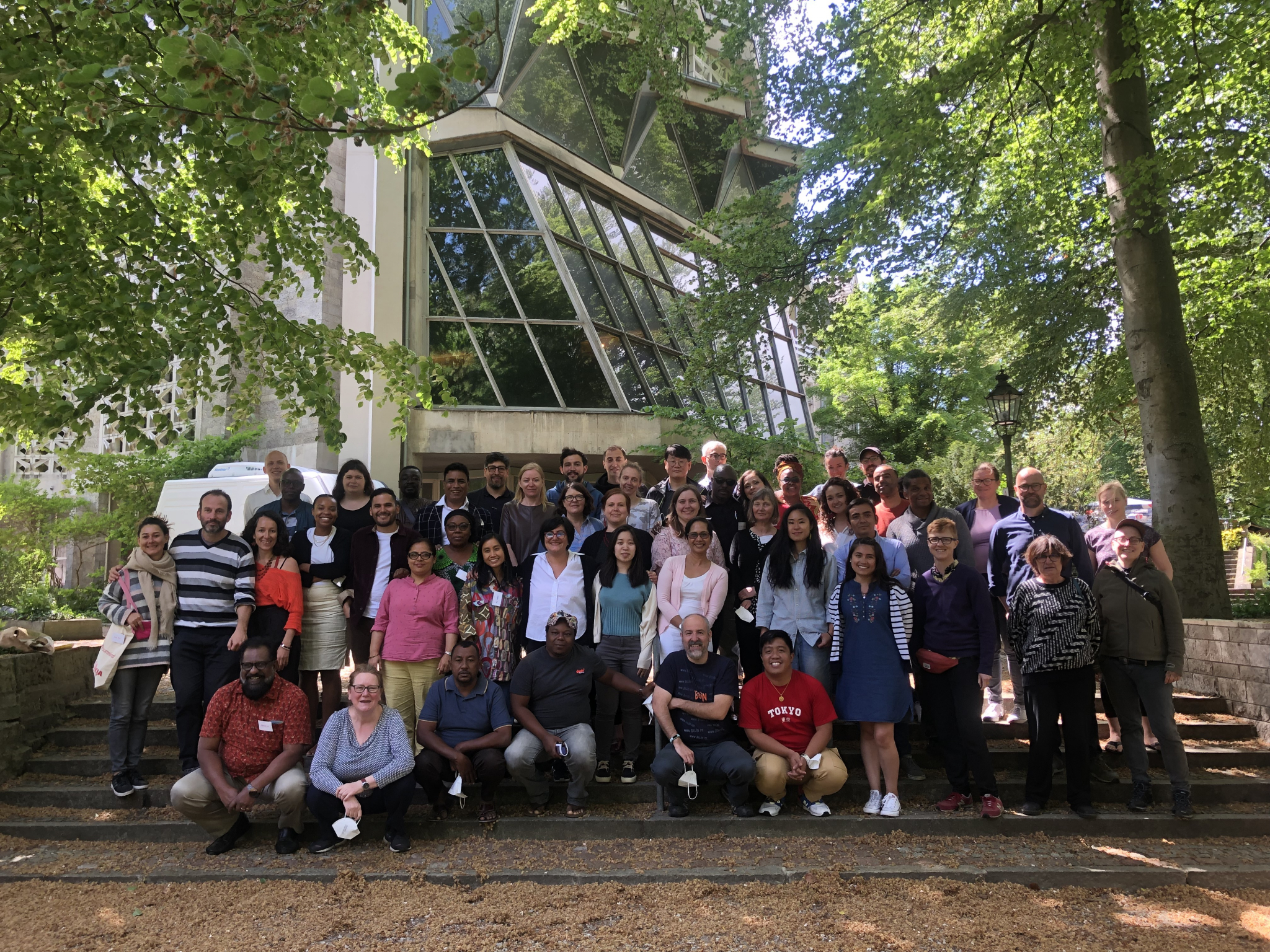
The XXXII General Assembly of the ICYE Federation was held in Berlin, Germany from 11 to 12 May 2022. It got postponed by half a year due to the COVID pandemic. 53 participants from 36 different countries got together with remote participation of the representatives from our National Committees in Taiwan and Colombia.

The different sessions were very productive with rich discussions on the emerging and cross-cutting issues among the National Committees, the future of the Federation, the role of digital and technological opportunities, advocacy campaigning and developing inclusive volunteering. Our revised mission and vision were approved.

VIDA y VOLUNTARIDO/ ICYE Peru was elected as an associate member and GIED/ ICYE Philippines became a full member of the ICYE network – congratulations! New and old members were elected as the new Board of Managers.

A warm thank you to all the participants for their contributions and special thanks to all staff members and volunteers from ICJA for their great support in organising this GA. We are feeling inspired to work on new initiatives and keep on strengthening the ICYE network.

post thumbnail

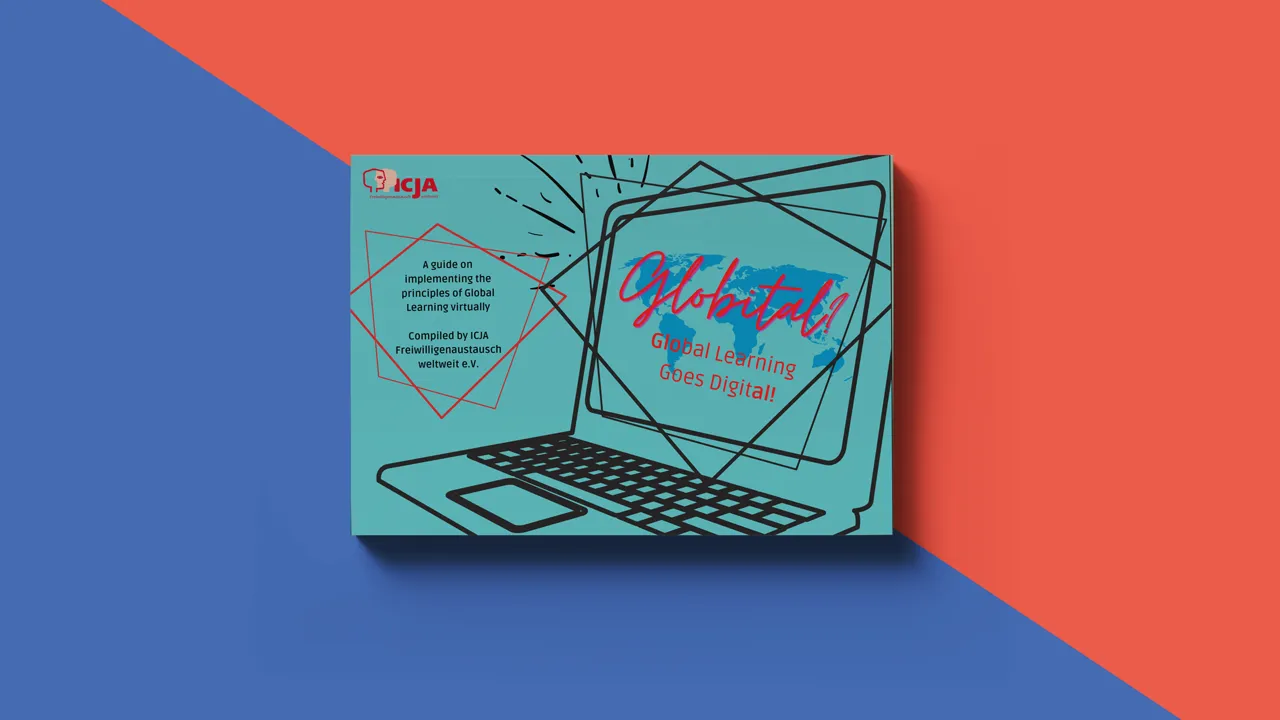
This guide is a collection of experiences on how to implement the principles of global learning virtually. It contains e.g. criteria to assess online tools, how to use social media in educational work, what to take into account in the virtual interaction to create relaxed, yet safe and respectful virtual spaces for interaction, information on self-care and prevention of sexual violence.

post thumbnail

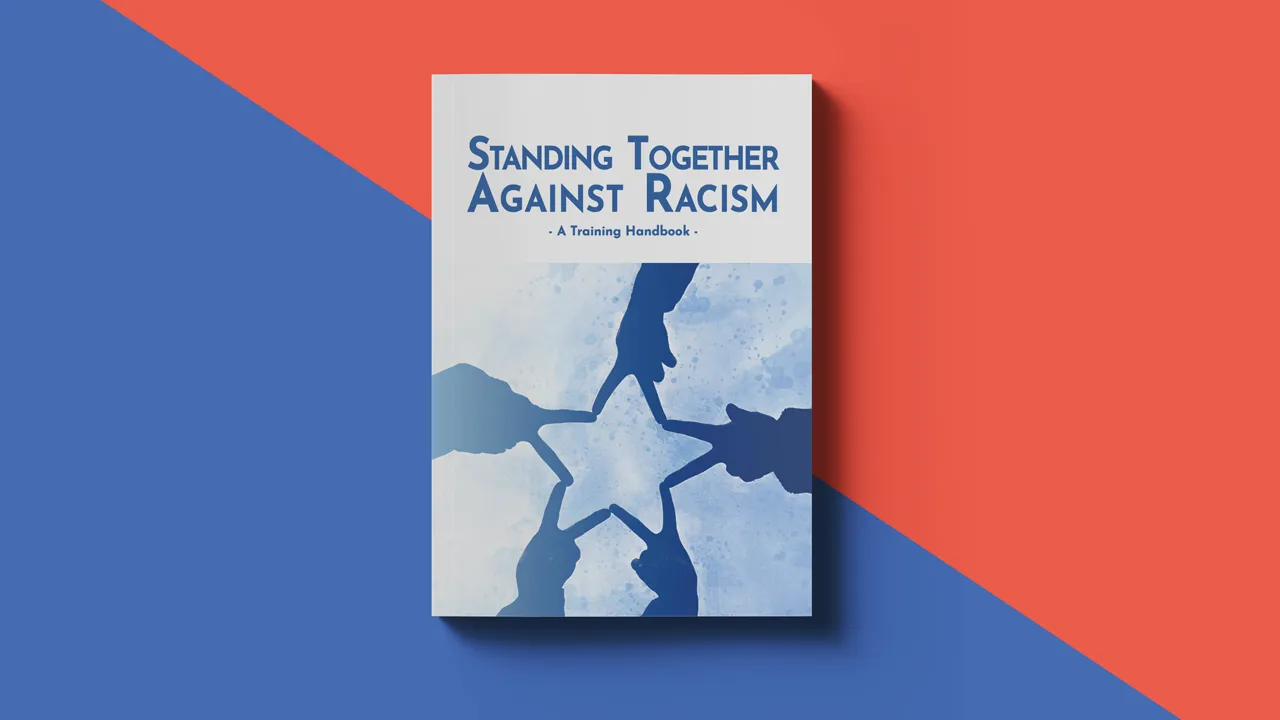
The Standing Together Against Racism Training Handbook provides staff in youth and voluntary service organisations with concepts and methods on various topics related to racism, such as empowerment, micro-aggression, power dynamics, stereotypes, prejudice, oppression, colonialism and intolerance. These activities provide a forum in which to identify and challenge racist attitudes and their harmful effects.

The guide was produced as part of the project Standing together against Racism in Europe – STAR E (2017-2020, Erasmus+ Strategic Partnership), which aimed to strengthen the role and profile of youth NGOs in combating racism, becoming facilitators of dialogue as well as inclusion, and empowering anyone who might be affected by racism across Europe. The project was coordinated by ICJA Freiwilligenaustausch weltweit e.V., Berlin, Germany and involved seven youth organisations and two expert consulting organisations from eight different EU countries.

post thumbnail

This is the method book for the publication “Standing Together Against Racism: A Training Handbook”. The book contains tools and exercises for addressing diversity and inclusion in organisations. It introduces dynamics and perspectives we consider central within the theoretical approach to diversity.


post thumbnail

The Handbook for Social Entrepreneurship through Volunteering is a publication of the project Young Leaders for Social Change: Entrepreneurship through Volunteering, co-funded by the Erasmus+ Programme of the European Union. The handbook offers a range of non-formal and social entrepreneurship methods for young people and two formats of a training programme, which aims to prepare and train young people to undertake social entrepreneurship during their international voluntary service.